Spice, Warmth & Tradition: A Journey Through India’s Cold-Weather Feasts
January 06, 2026
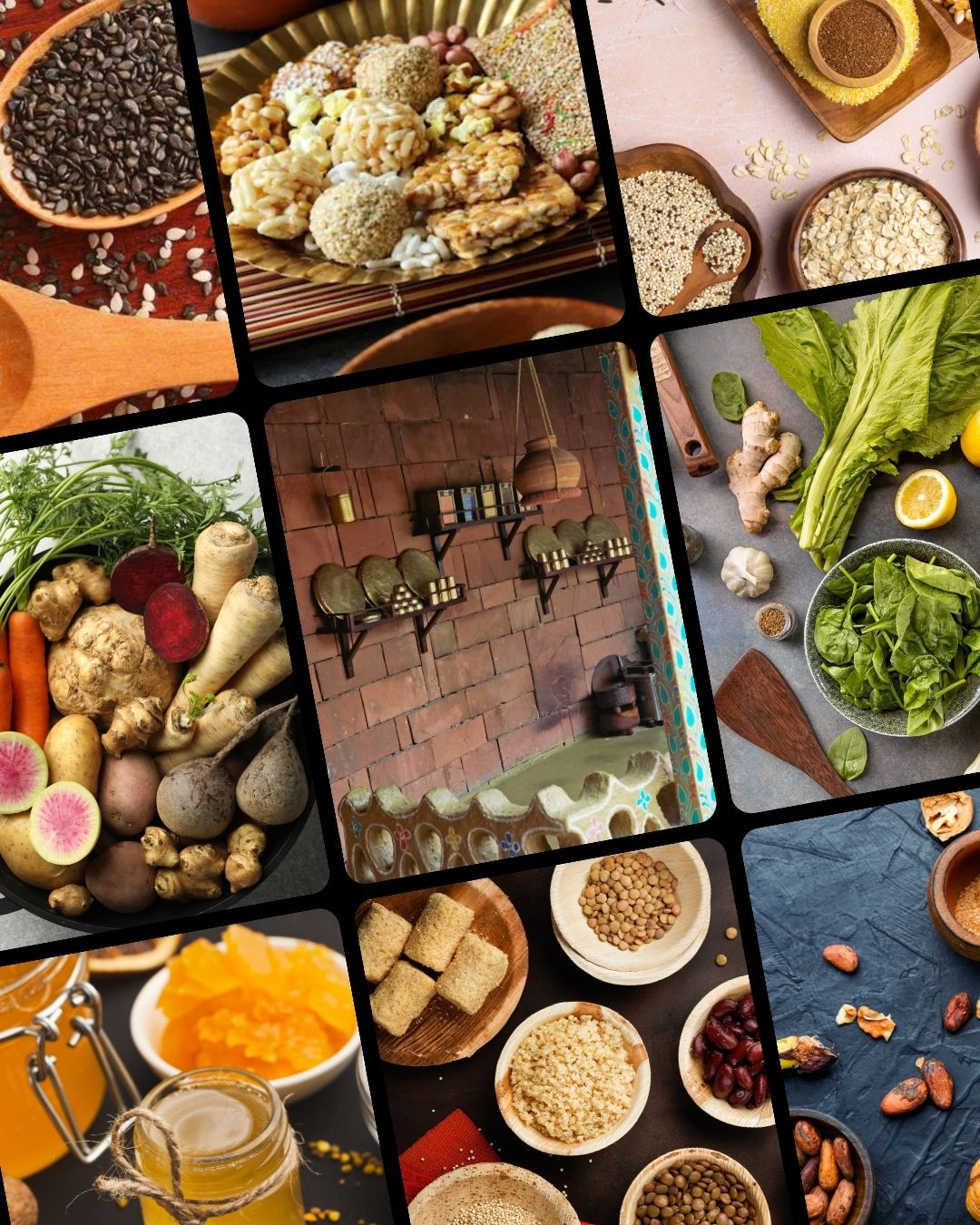
Winters are my favourite, and growing up, I have seen our kitchen being stocked with warm ingredients and cosy winter special dishes being made. You see, in India, winter is more than a drop in temperature; it is a shift in how kitchens breathe, cook, and nourish.
As days grow shorter and evenings cooler, Indian households instinctively turn toward food that comforts the body and strengthens the spirit. Long before nutrition labels and wellness trends, Indian cooking understood that winter is the season to rebuild energy, boost immunity, and gather around food that sustains both body and community.
India's Culinary Change: Why Winter Cooking is Deeper, Richer & Warmer
According to Ayurveda, the influence of Indian cuisine suggests Agni, which is the body’s digestive fire, is naturally stronger in winter. This heightens the metabolism, allowing the body to digest heavier, richer foods with ease. As a result, winter foods in India feature healthy fats, warming spices, and slow-cooked preparations designed to provide sustained energy and internal heat.
The colder months also bring seasonal harvests of grains, root vegetables, and oilseeds, adding a layer of warm food items for the kitchen. Even the traditional cooking methods move towards roasting, fermenting, and slow simmering, which help preserve nutrients while enhancing flavour. These techniques are not accidental; they are adaptive responses to climate, workload, and immunity needs.
Winter food traditions evolved as a way to protect against illness, dryness, and fatigue while keeping the body resilient.
Winter Foods Name: Seasonal Produce And Festivals That Warm The Plate
Winter foods and drinks ingredients appear across Indian kitchens, regardless of region, each chosen for its warming and restorative qualities:
Sesame seeds: Rich in healthy fats and calcium, sesame helps generate warmth and lubricate joints.
Jaggery: A natural sweetener packed with iron and minerals, jaggery supports digestion and circulation.
Mustard greens and leafy vegetables: Seasonal greens provide fibre, vitamins, and immune support.
Root vegetables: Carrots, yams, radishes, and beets store energy and add bulk to winter meals.
Millets and whole grains: Bajra, jowar, and wheat offer slow-release energy and keep the body warm.
Ghee and nuts: Essential for insulation, nourishment, and hormonal balance during colder months.
These warm foods for winter form the backbone of winter feasts, proving that seasonal eating is both intuitive and scientific, and are included in cultural festivities, making it more meaningful.
Winter festivals across India, like Lohri, Makar Sankranti, Pongal, and Bihu, are deeply tied to food. These celebrations honour harvest cycles and solar transitions, marking nature’s rhythms with carefully chosen dishes for festival menus because they provide warmth, energy, and digestive support.
Scientifically, these foods offer essential fats, antioxidants, and micronutrients that help fight seasonal infections. Culturally, communal cooking and shared meals strengthen social bonds, reducing stress and enhancing emotional well-being. The winter cooking tradition in India is an often-overlooked aspect of winter wellness.
Regional Winter Feasts: A Culinary Map of India
India’s diverse climate gives rise to equally diverse winter plates. Indian winter recipes vary by region, but some have become national favourites. We will see some of the Indian winter foods.
North India Winter Meal Specials:
This region embraces hearty, ghee-rich meals. Winter special dishes like sarson ka saag with makki ki roti, slow-cooked lentils like Dal makhni, are brewed slowly overnight in local areas, and desserts such as gajar ka halwa provide warmth and strength during foggy mornings and cold nights.
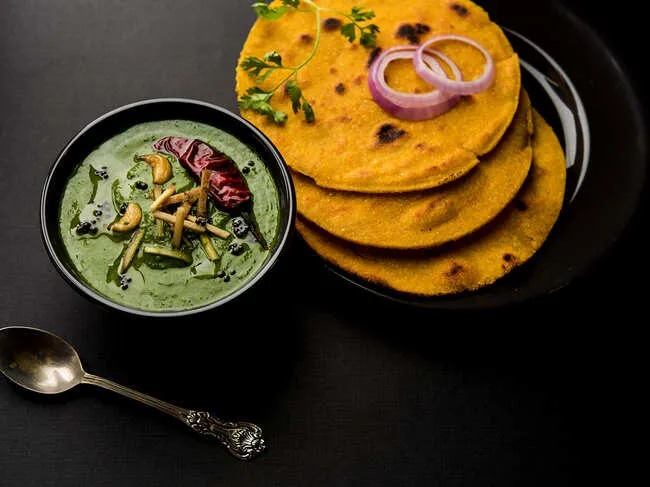
Sarsoo Ka Saag-Makki Ki Roti:
Ingredients:
For Sarson Ka Saag: Mustard greens (sarson), spinach or bathua (optional), garlic cloves, ginger, green chillies, maize flour, salt, ghee, onion, water.
For Makki Ki Roti: Maize flour (makki ka atta), salt, warm water, ghee.
Method:
Wash and roughly chop the greens. Cook mustard greens along with spinach/bathua, garlic, ginger, green chillies, salt, and a little water until soft. Mash or lightly blend to a coarse consistency. Add maize flour to thicken and simmer on low heat. Prepare a tempering by sautéing chopped onion in ghee and pouring it over the saag. Serve hot with butter.
For the roti, knead maize flour with salt and warm water into a soft dough. Pat into flat rounds, cook on a hot griddle, and apply ghee until golden and cooked through.
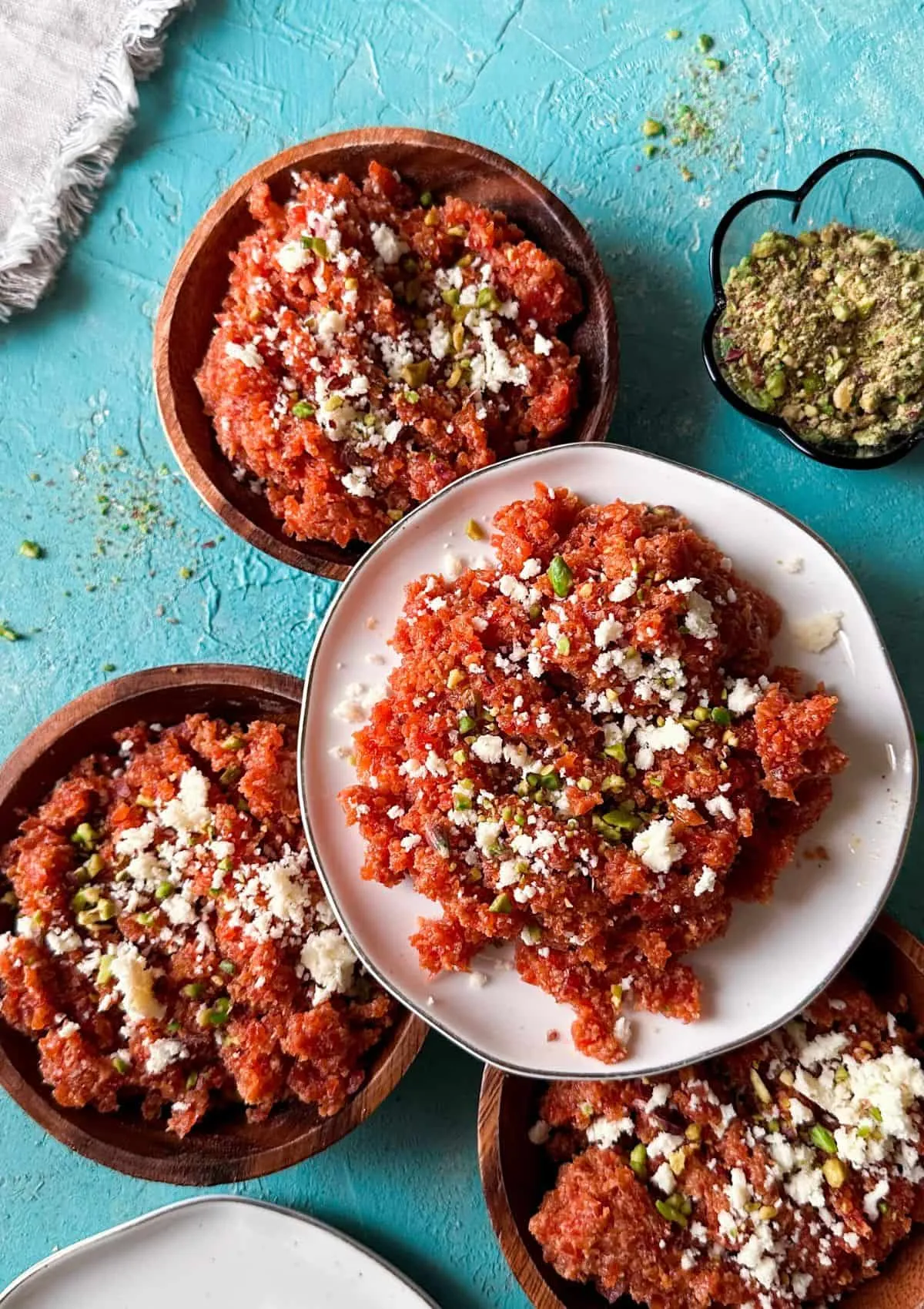
Gajar Ka Halwa:
Ingredients:
Carrots, full-fat milk, sugar, ghee, cardamom powder, chopped nuts (cashews, almonds), raisins.
Method:
Heat ghee in a pan and sauté grated carrots until fragrant. Add milk and cook on low heat until the milk reduces and carrots soften. Stir in sugar and cook until thick and glossy. Finish with cardamom powder, nuts, and raisins. Serve warm or chilled.
Western India Winter Food Special:
This region leans into energy-dense, vegetable-forward winter dishes. Gujarat’s undhiyu, a medley of winter vegetables cooked slowly with spices, celebrates the season’s harvest. While sesame sweets in Maharashtra, like tilgul Ladu, mark seasonal transitions and winter festivals.
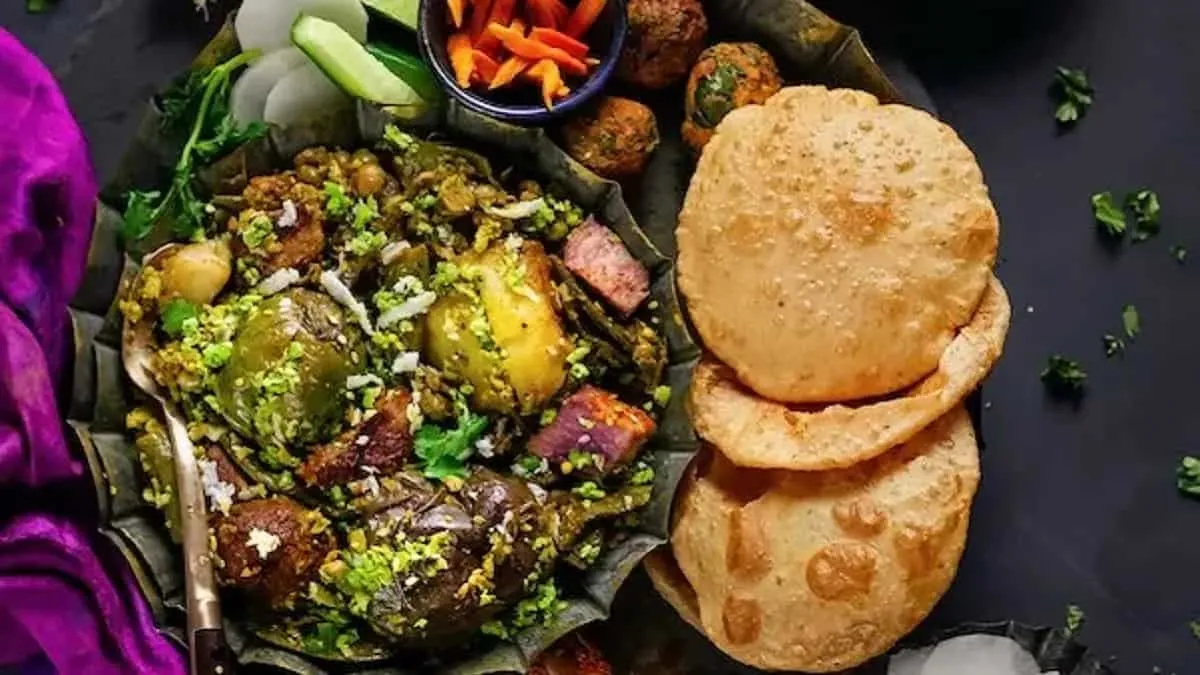
Undhiyu:
Ingredients:
Mixed winter vegetables (purple yam/suran, sweet potato, raw banana, baby potatoes, brinjals), fresh tuvar (pigeon peas), green beans, fenugreek leaves (methi), fresh coriander, grated coconut, green chilies, ginger, garlic, peanuts, sesame seeds, sugar or jaggery, lemon juice, turmeric powder, cumin powder, coriander powder, garam masala, salt, oil, water.
Method:
Prepare a coarse paste using coriander, coconut, green chillies, ginger, garlic, peanuts, sesame seeds, spices, sugar/jaggery, lemon juice, and salt. Slit the brinjals and stuff them with this mixture. Heat oil in a heavy pot, add potatoes, yams, raw banana, and beans; sauté lightly. Add stuffed brinjals, remaining masala, tuvar, and methi. Sprinkle water, cover, and cook on low heat, stirring gently until vegetables are tender and flavours are well blended. Finish with fresh coriander and serve hot with puri or rotli.
Tilache Ladoo:
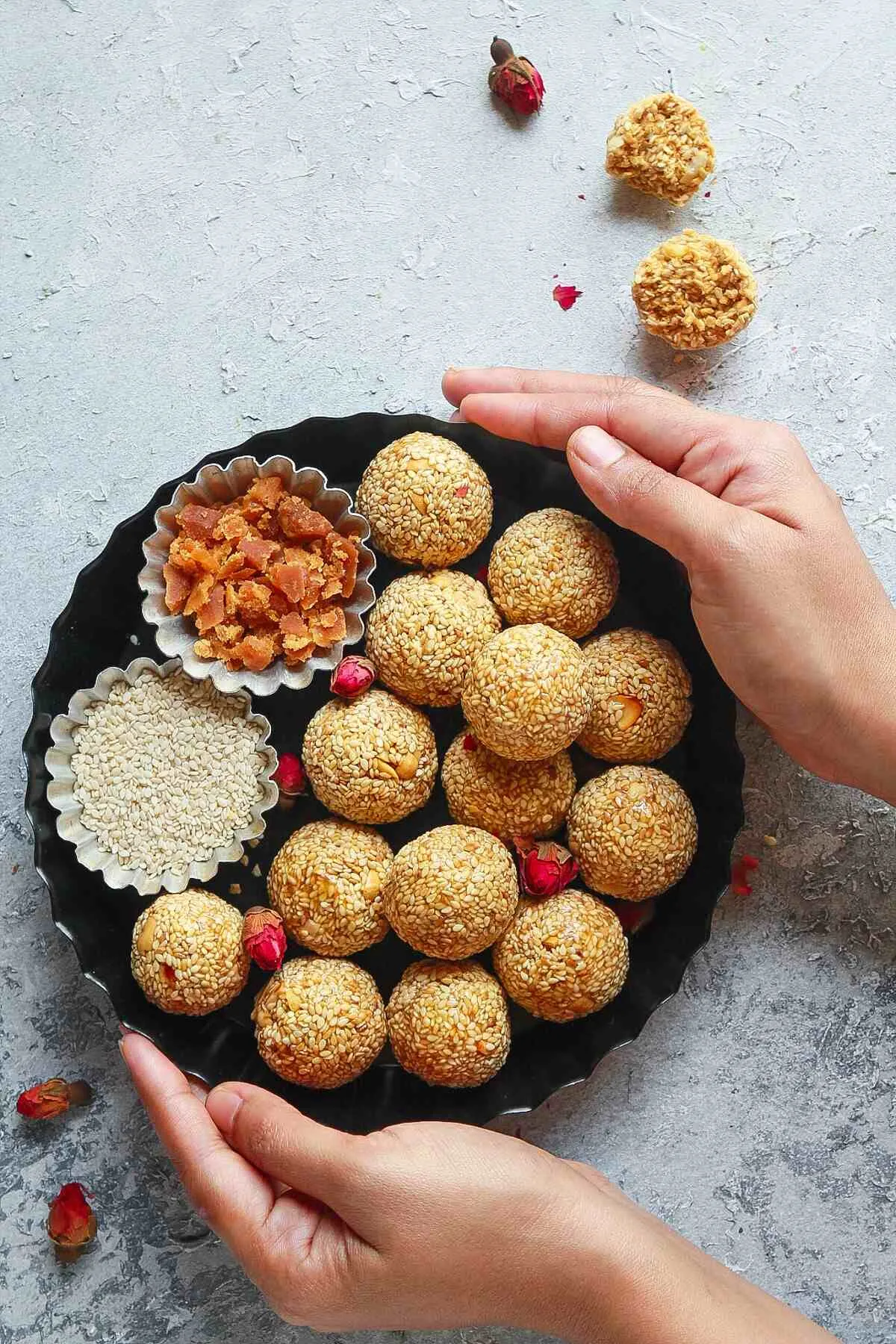
Ingredients:
White sesame seeds, jaggery, ghee, cardamom powder, chopped peanuts or dry coconut (optional).
Method:
Dry roast sesame seeds until lightly golden and aromatic. Cool and grind coarsely. Heat ghee in a pan, add jaggery, and melt on low heat until soft and sticky. Mix in ground sesame seeds, cardamom powder, and nuts if using. While warm, shape into small ladoos. Allow to cool and store in an airtight container.
Eastern India Winter Special Recipes:
This region in India showcases subtler winter comfort foods. Freshly harvested rice, date palm jaggery (nolen gur), and delicacies like pithe highlight the balance between warmth and lightness suited to the region’s milder winters.
Chingri Malai Curry:
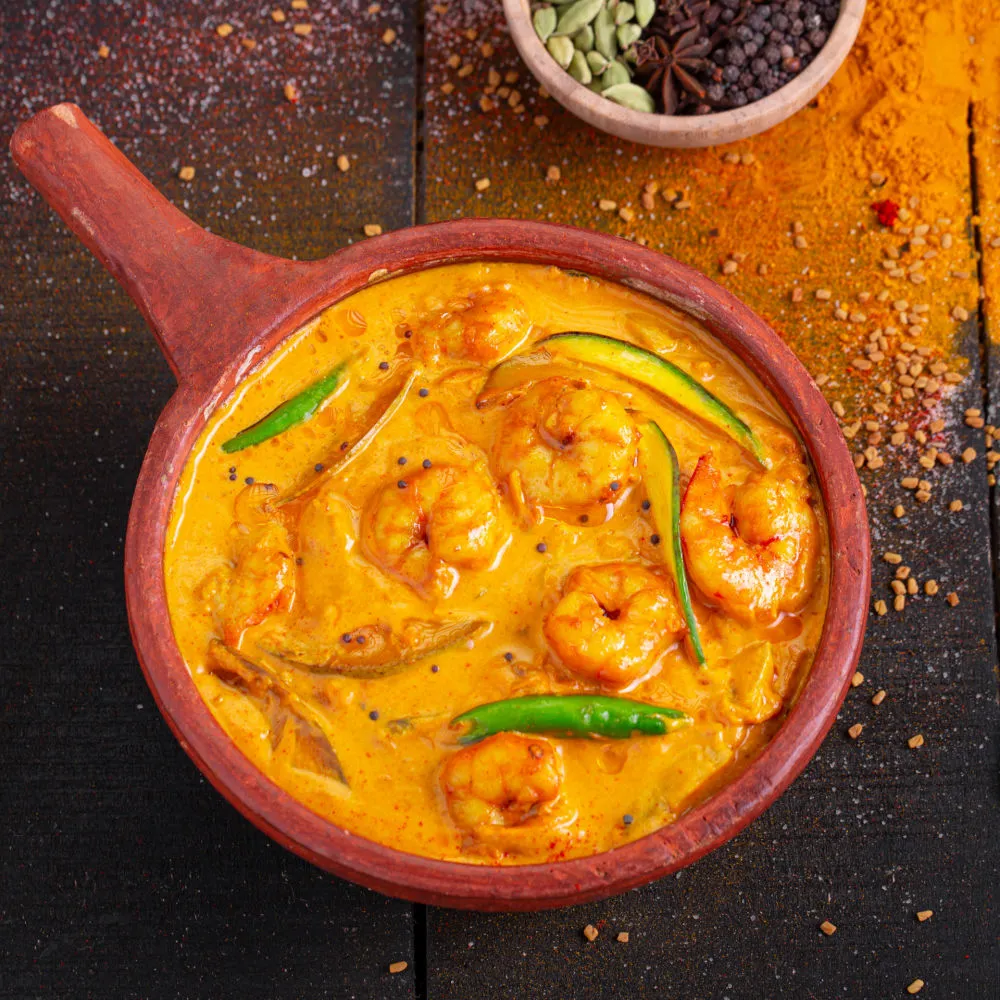
Ingredients:
Large prawns, coconut milk, onion paste, ginger-garlic paste, green chillies, turmeric powder, garam masala, bay leaf, cinnamon, cardamom, cloves, mustard oil, salt, sugar.
Method:
Marinate prawns with turmeric and salt. Lightly fry and set aside. Heat mustard oil, add whole spices and bay leaf, then onion and ginger-garlic paste. Add turmeric and chillies, sauté well. Pour in coconut milk, simmer gently, add prawns, and cook briefly. Finish with garam masala and serve with steamed rice.
Pithe Puli:

Ingredients:
Rice flour, warm water, jaggery, grated coconut, cardamom powder, bay leaf, and water.
Method:
Prepare a soft dough with rice flour and warm water. Mix grated coconut with jaggery and cardamom for the filling. Shape small discs, add filling, and seal into dumplings. Boil water with jaggery and bay leaf to make a light syrup. Gently drop the dumplings into the syrup and cook until they float and soften. Serve warm.
South India, Winter Special Dishes:
A region in India where winters are gentler, focuses on immunity and digestion. Pepper rasam, herbal porridges, and lightly spiced stews like sambar provide warmth without heaviness, reflecting climate-smart winter cooking.
Rassam:
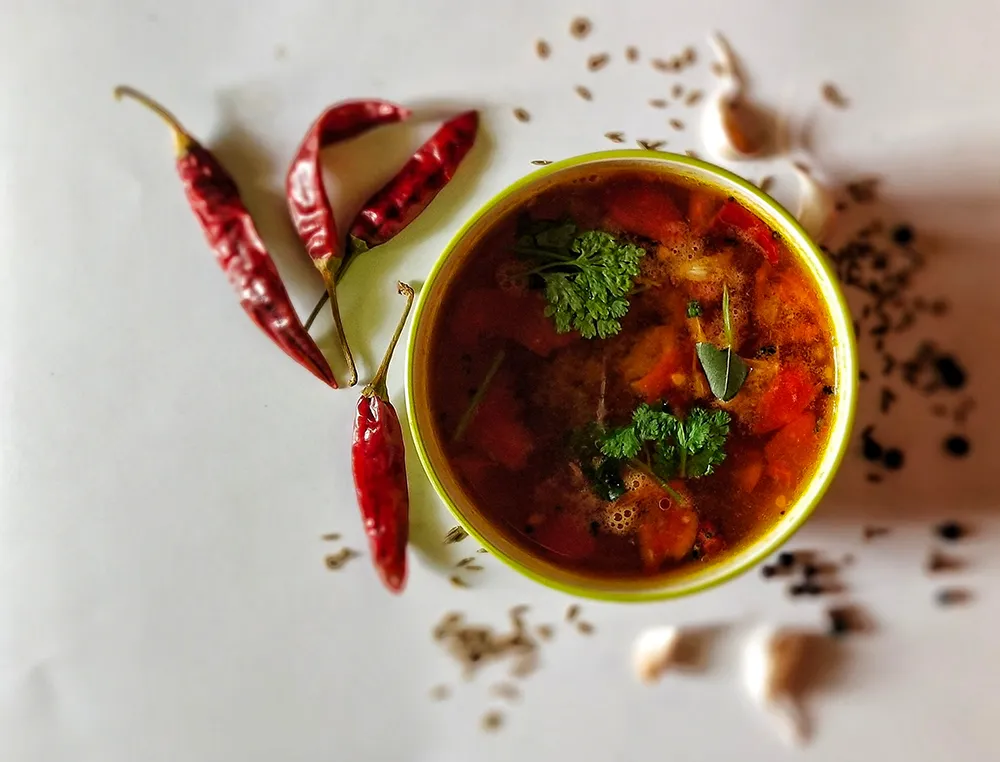
Ingredients:
Black peppercorns, cumin seeds, garlic cloves, tamarind pulp, tomato (optional), turmeric powder, curry leaves, mustard seeds, dried red chilli, ghee or oil, coriander leaves, salt, water.
Method:
Crush pepper, cumin, and garlic coarsely. Boil tamarind water with turmeric and tomato until aromatic. Add the crushed spice mix and simmer briefly without overcooking. Temper mustard seeds, curry leaves, and dried red chilli in ghee, pour over the rasam, garnish with coriander, and serve hot. It’s warming, immunity-boosting, and ideal for winter colds.
Ragi Mudde-Spiced Sambar:
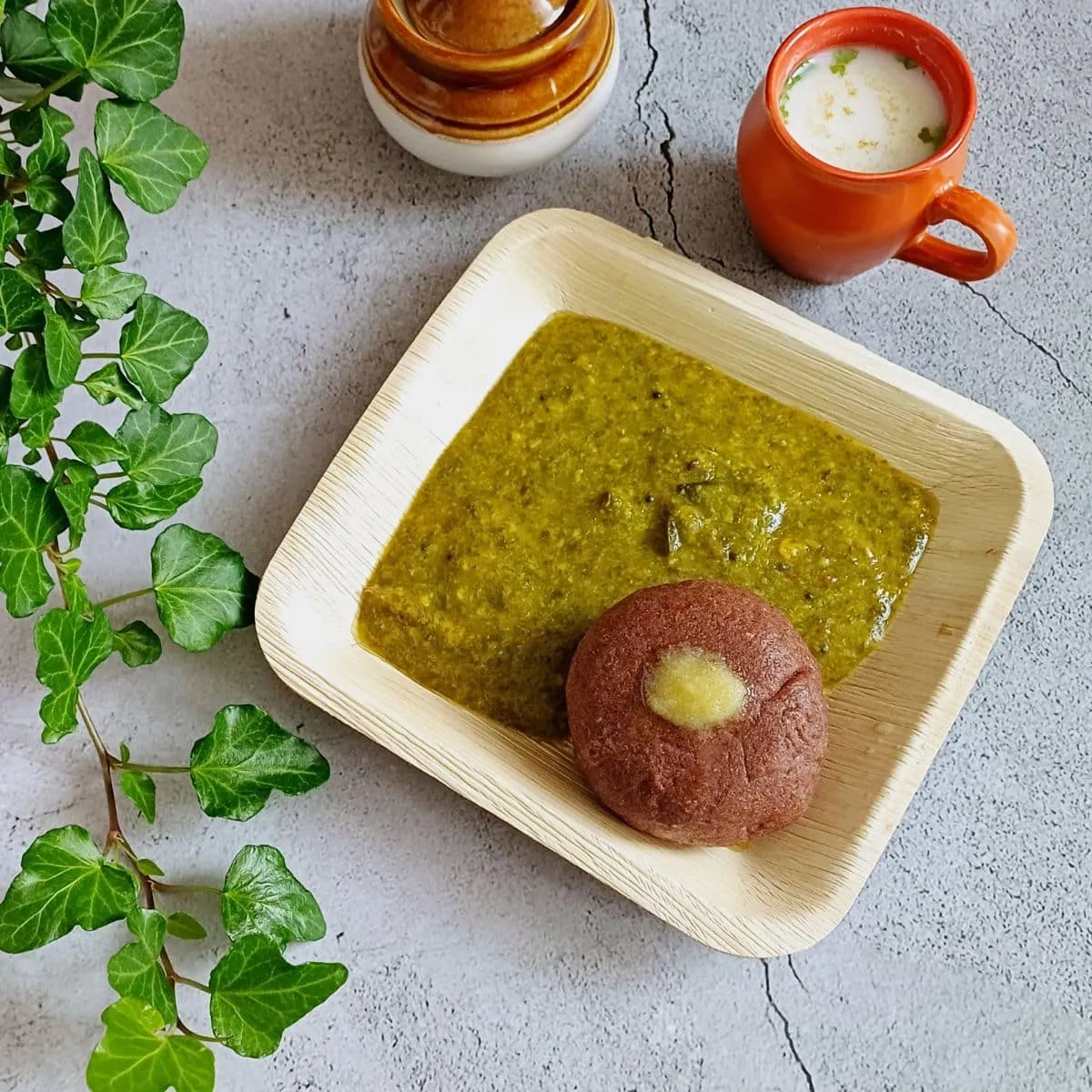
Ingredients:
For ragi mudde: Ragi flour, water, salt
For sambar: mixed vegetables, toor dal, tamarind, sambar powder, mustard seeds, curry leaves, oil, salt.
Method:
Ragi mudde: Boil water with salt, add ragi flour gradually, stirring continuously to avoid lumps. Cook until thick, then shape into soft balls.
Spiced Sambar: Prepare sambar by cooking dal and vegetables, adding tamarind and spices, and tempering with mustard and curry leaves. Serve hot ragi mudde dipped in warm sambar for a nourishing winter meal.
Himalayan and Northeastern Regions Winter Special Food:
These regions rely on sustenance-driven meals. Noodle soups like thukpa, fermented vegetables, and meat broths help combat extreme cold while preserving nutrition through long winters.
Thupka:
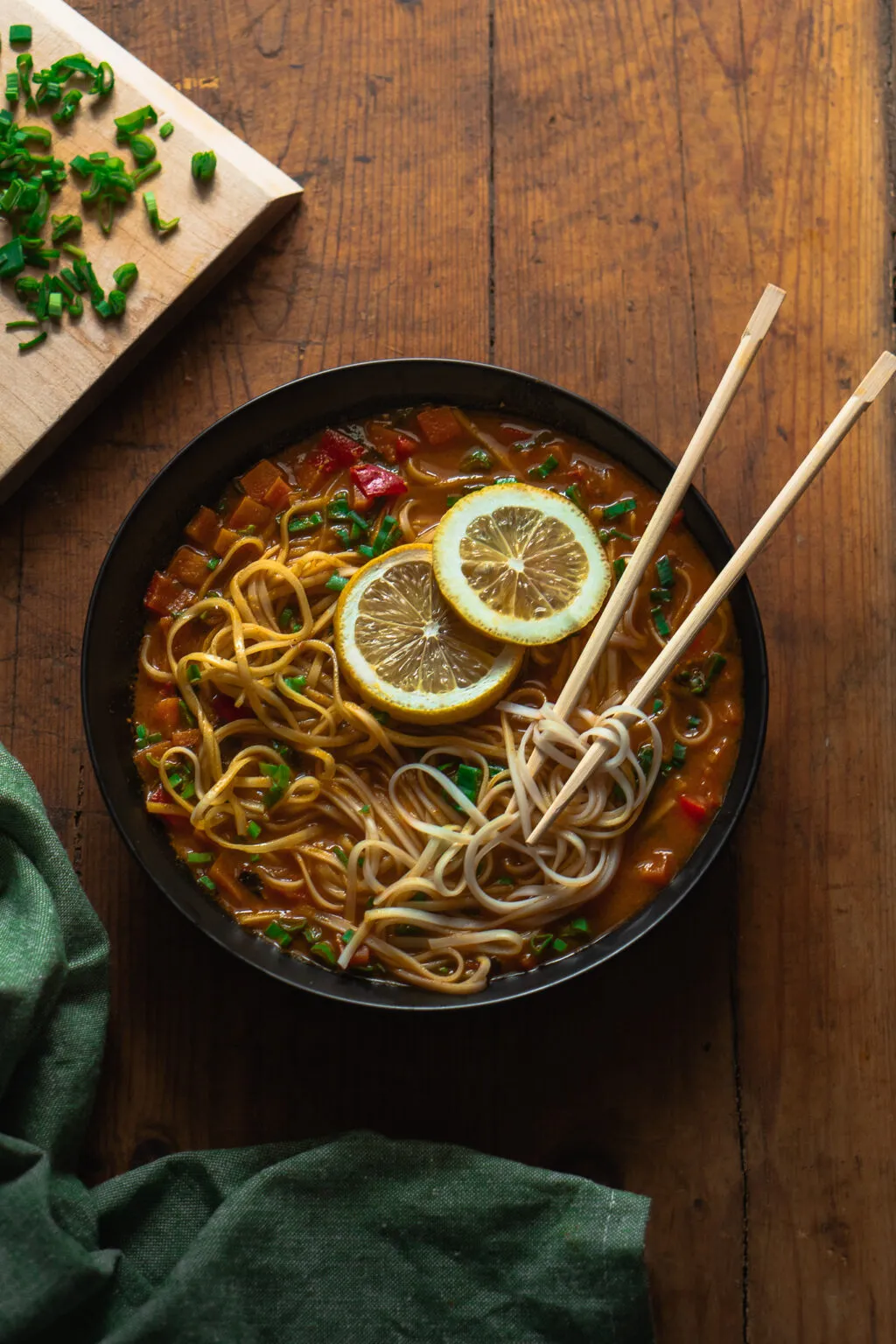
Ingredients:
Wheat noodles, mixed vegetables (carrot, cabbage, beans, spring onions), garlic, ginger, green chilli, onion, soy sauce, vegetable stock or water, black pepper, oil, salt, and coriander leaves.
Method:
Boil noodles separately and keep aside. Heat oil in a pot, sauté garlic, ginger, onion, and green chili until aromatic. Add vegetables and stir-fry lightly. Pour in stock, soy sauce, salt, and pepper; simmer until vegetables are tender. Add noodles, cook for a minute, garnish with spring onions and coriander, and serve hot.
Siddu:
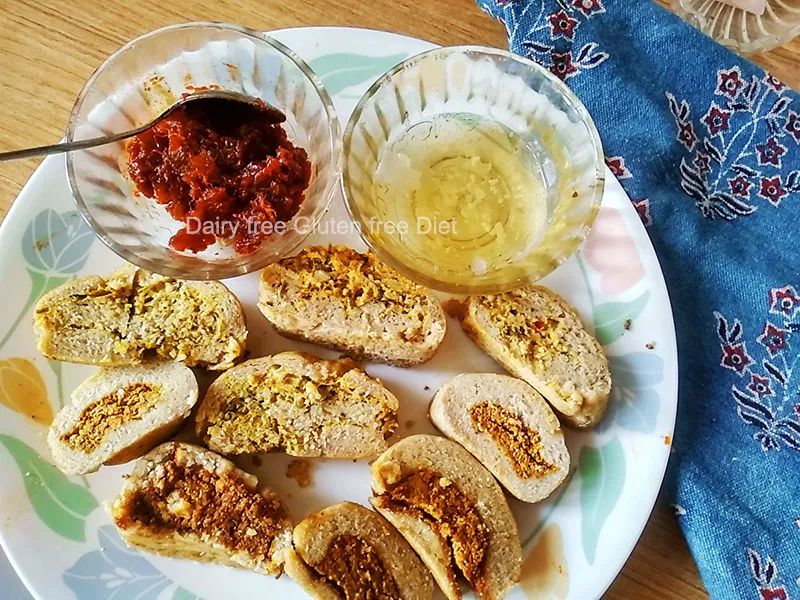
Ingredients:
Whole wheat flour, yeast, sugar, salt, water; for stuffing—poppy seeds, walnuts or peanuts, garlic, green chilli, coriander leaves, mustard oil, salt.
Method:
Mix yeast, sugar, and warm water; let it activate. Knead with flour and salt into a soft dough and allow to rise. Grind stuffing ingredients into a coarse paste. Stuff the dough, shape into balls, and steam for 15–20 minutes until fluffy. Serve hot with ghee or lentil curry.
Conclusion: When Tradition Meets the Modern Winter Kitchen
Today’s kitchens may be faster and more global, but winter feasting remains rooted in tradition. Even today, Indian kitchens and travel to these warm heavens. Whether it’s a pressure-cooked saag, a millet-based bowl, or a jaggery-sweetened dessert, the essence of winter food remains unchanged. Modern households are rediscovering millets, slow cooking, and seasonal ingredients, adapting age-old recipes to contemporary lifestyles where food becomes nourishment, comfort, and quiet celebration all at once.
Indian winter feasts remind us that eating with the seasons is not a trend; it is inherited wisdom passed down for generations.
By P. Manika (Performist Content Writer)
