Sushi Unwrapped: History & Making of Ancient Tradition to Modern
December 30, 2025
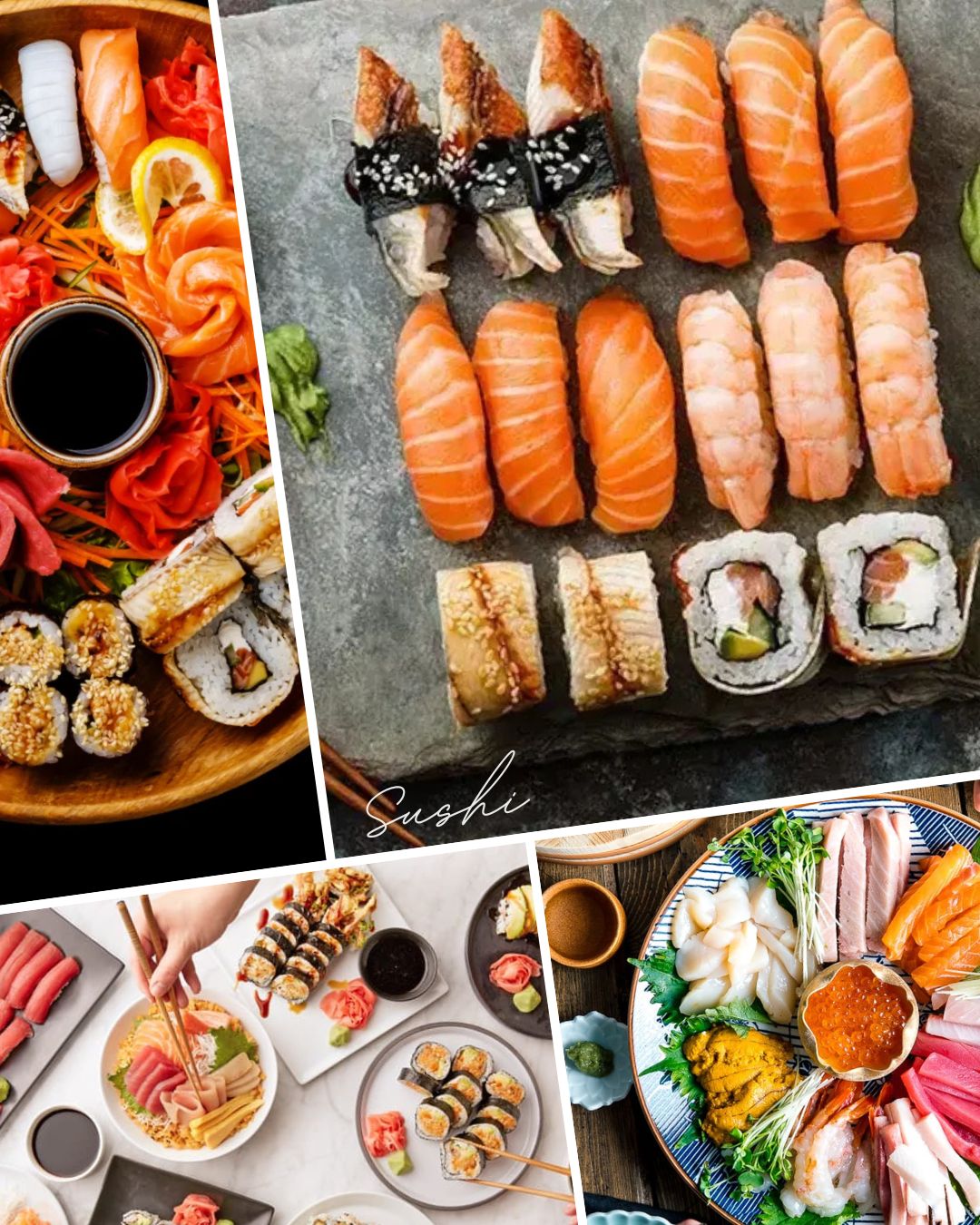
While exploring global cuisine, Pan-Asian and Mediterranean cuisines became my favourites. And Sushi became the must-have. Many places serve Sushi in Mumbai, and you can find authentic Japanese restaurants that offer a full experience of the cuisine and its culture.
Popularly misunderstood, sushi is considered raw fish neatly placed on rice, but it is far more than that. It’s a centuries-old culinary tradition, a symbol of Japanese culture, a global food phenomenon, and a fine balance of nutrition, technique, and artistry. The carefully crafted Sushi rolls tell a fascinating story of evolution, humble preservation roots to Michelin-starred counters.
Ancient Bite: Sushi’s Humble Roots
Contrary to popular belief, sushi didn’t begin as a luxury dish. Its earliest form, narezushi, dates back over 1,000 years and was developed as a method of preserving fish. Fish was packed with fermented rice, which was discarded before eating. Over time, the fermentation process shortened, and eventually it became the sushi rice as a part of the meal.
By the Edo period (1603–1868), sushi evolved into Edomae sushi, the precursor to modern nigiri. Fresh fish from Tokyo Bay was paired with vinegared rice, creating a quick, flavorful street food for busy city dwellers. This marked the transformation of sushi from preservation to pleasure.
Rolling Across Borders: Sushi’s Journey Beyond Japan
From Tokyo and New York to Mumbai and London, sushi is enjoyed across continents. Its rise in popularity is driven by growing interest in Japanese cuisine, the appeal of clean and minimal flavors, and the increasing demand for lighter, healthier meals.
Sushi roll ingredients' adaptability has also played a major role. While traditional forms remain revered, modern variations, such as California rolls, spicy tuna, vegan sushi, and fusion creations, have made the dish accessible to diverse palates. What was once a regional specialty has become a global culinary language.
Sushi as Cultural Expression
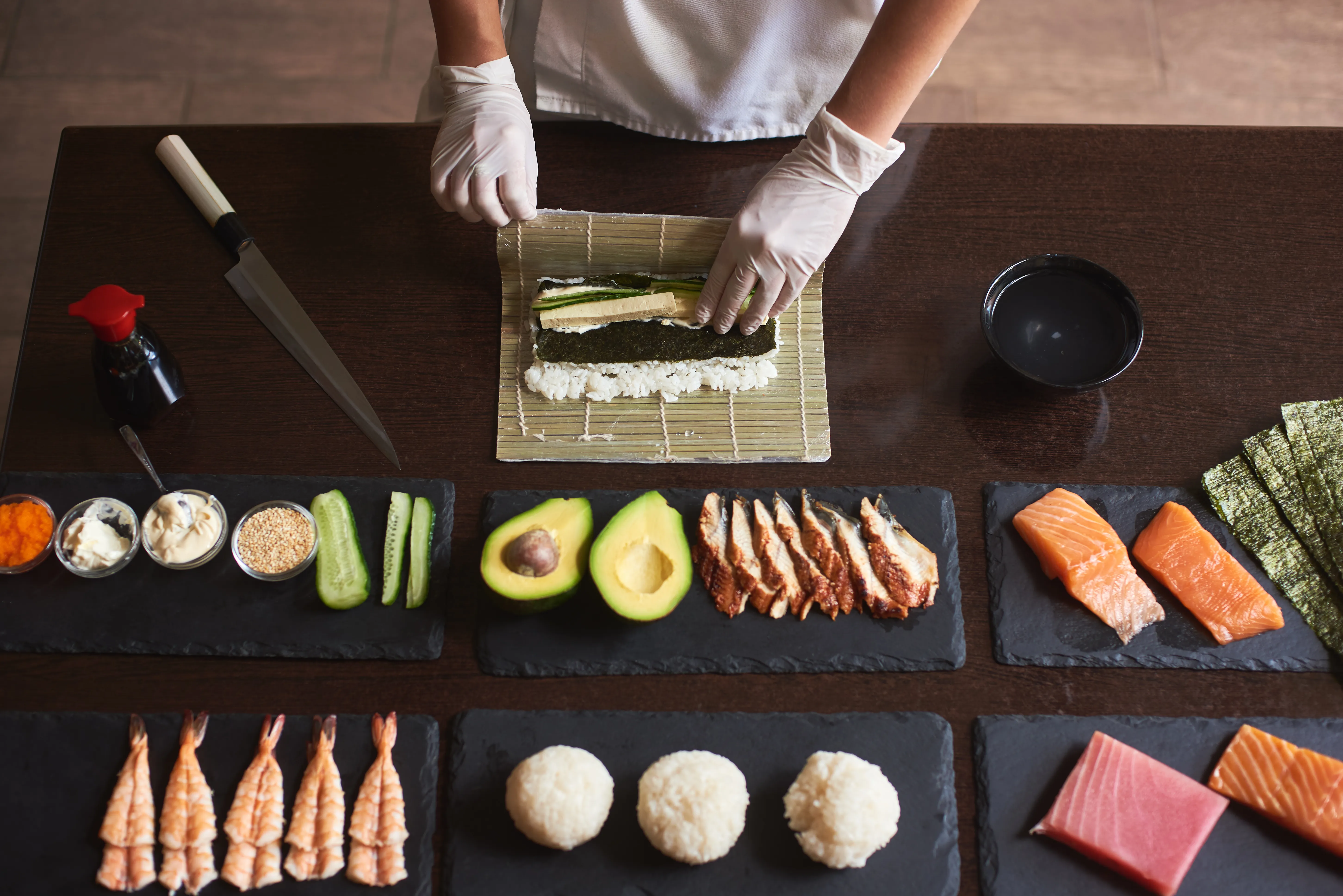
In Japan, sushi is deeply connected to seasonality, respect for ingredients, and craftsmanship. Sushi reflects the Japanese philosophy of shokunin, dedication to one’s craft and pursuit of perfection through discipline. Traditional sushi chefs, or itamae, often train for years, sometimes decades, mastering skills such as rice preparation, knife work, fish selection, and balance of flavors. Every detail matters, like,
• The temperature of the rice
• The cut of the fish
• The pressure used to shape nigiri
• The timing of serving
People Are Curious About:
1. Is Sushi good for your health?
→Sushi can be highly nutritious when consumed mindfully. Its Health Benefits are as follows,
• Rich in Omega-3 fatty acids: Fatty fish like salmon and tuna support heart and brain health.
• High-quality protein: Essential for muscle repair and overall wellness.
• Low in saturated fat: Especially compared to fried or heavily processed foods.
• Gut-friendly elements: Fermented vinegar and seaweed contribute beneficial nutrients.
• Micronutrients: Iodine, selenium, and vitamins B12 and D are commonly found in sushi ingredients.
2. Is Sushi cooked or raw?
→ Sushi can be either cooked or raw, depending on the variety. While many people associate sushi with raw fish, traditional sushi actually refers to vinegared rice paired with toppings that may be raw, cooked, or vegetarian. Options like grilled eel, tempura prawns, crab, or tofu are fully cooked and commonly used in sushi.
3. Can I eat a Sushi roll without raw fish?
→ Yes, sushi rolls can be enjoyed without raw fish and are extremely popular. Vegetarian rolls with avocado, cucumber, carrot, or pickled vegetables are widely available. Cooked options like tempura prawns, crab sticks, or egg (tamago) make sushi approachable for beginners or those avoiding raw seafood.
4. What is the best way to eat Sushi?
→ The best way to eat sushi is in one bite to experience the full balance of flavors. You can use chopsticks or your hands. Lightly dip the fish side into soy sauce, avoid soaking the rice, and use wasabi sparingly to appreciate the chef’s intended taste.
The Art of Making the Perfect Sushi: A Culinary Science
Making the perfect sushi is all about balance, well-seasoned rice, fresh ingredients, and a gentle rolling technique. It is often described as edible art, but it is also culinary science at work.
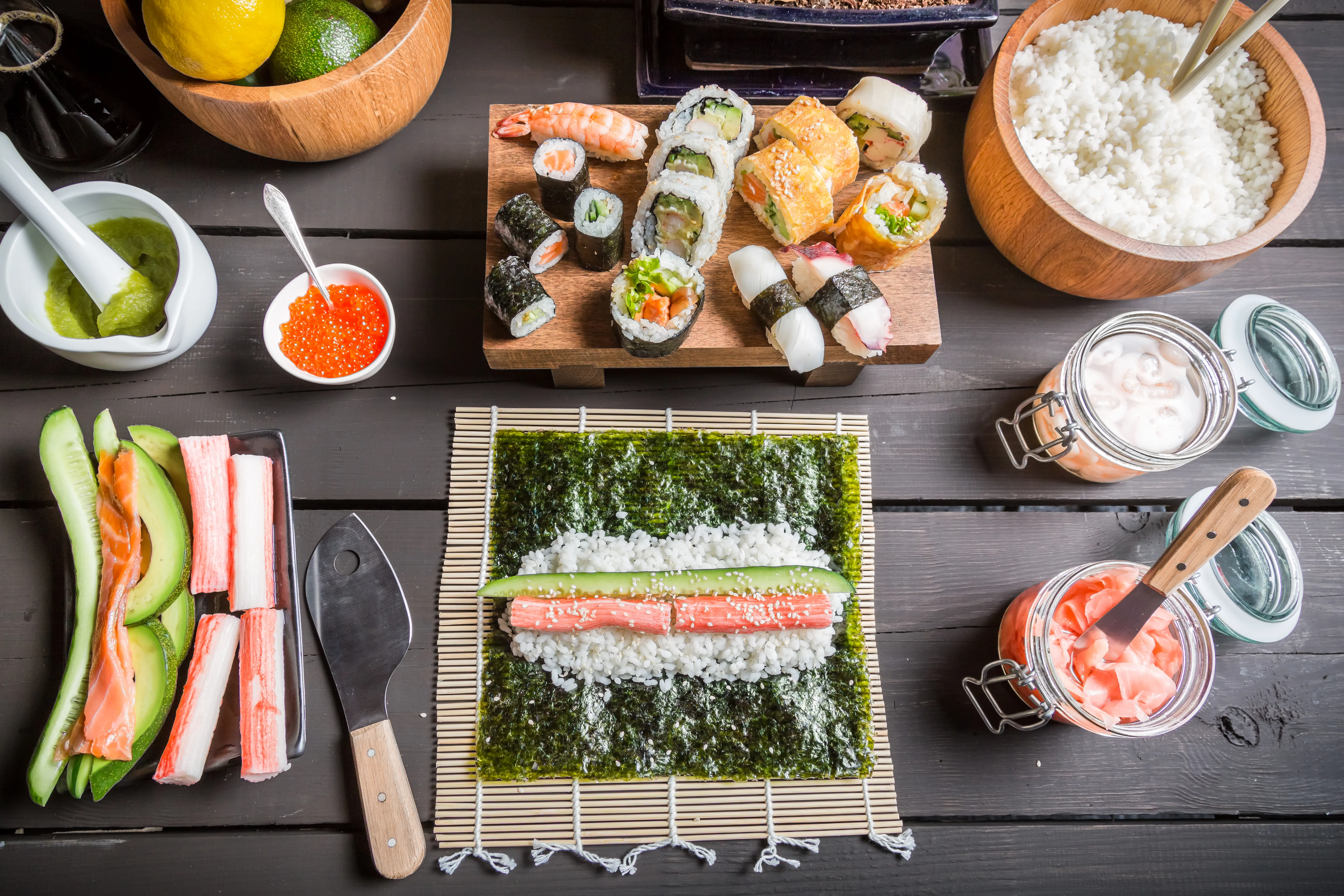
Rice Chemistry: The heart of sushi is shari, the sushi rice. Short-grain rice is seasoned with a precise blend of vinegar, sugar, and salt. This not only enhances flavor but also balances pH levels, aiding preservation and digestion.
Knife Technique: Different sushi roll ingredients require different cuts to optimize texture and mouthfeel. The direction of slicing affects how the fish breaks down when eaten, influencing flavor release. How the veggies are cut to their thickness and inclusion also enhances the taste
Umami Balance: Sushi is a masterclass in umami, the savory taste found in fish, seaweed, soy sauce, and fermented elements. The combination of fat, acidity, and salt creates harmony rather than dominance of any single flavor.
Temperature Control: Fish and other vegetable ingredients are served cool, while rice is slightly warm, a deliberate contrast that enhances taste and aroma.
Popular Sushi Roll Recipes and Combinations
For any sushi roll, there are basic things to have, such as a Sushi rolling mat or sheet, the perfectly cooked short-grain sushi rice cooked until fluffy, and seasoned with a warm blend of rice vinegar, sugar, and salt, cooled to room temperature. A sheet of nori, a sharp knife, and a perfect combination of sushi rolls ingredients.
1. Avocado Veg Sushi
(Avocado + Sesame or Avocado + Carrot):
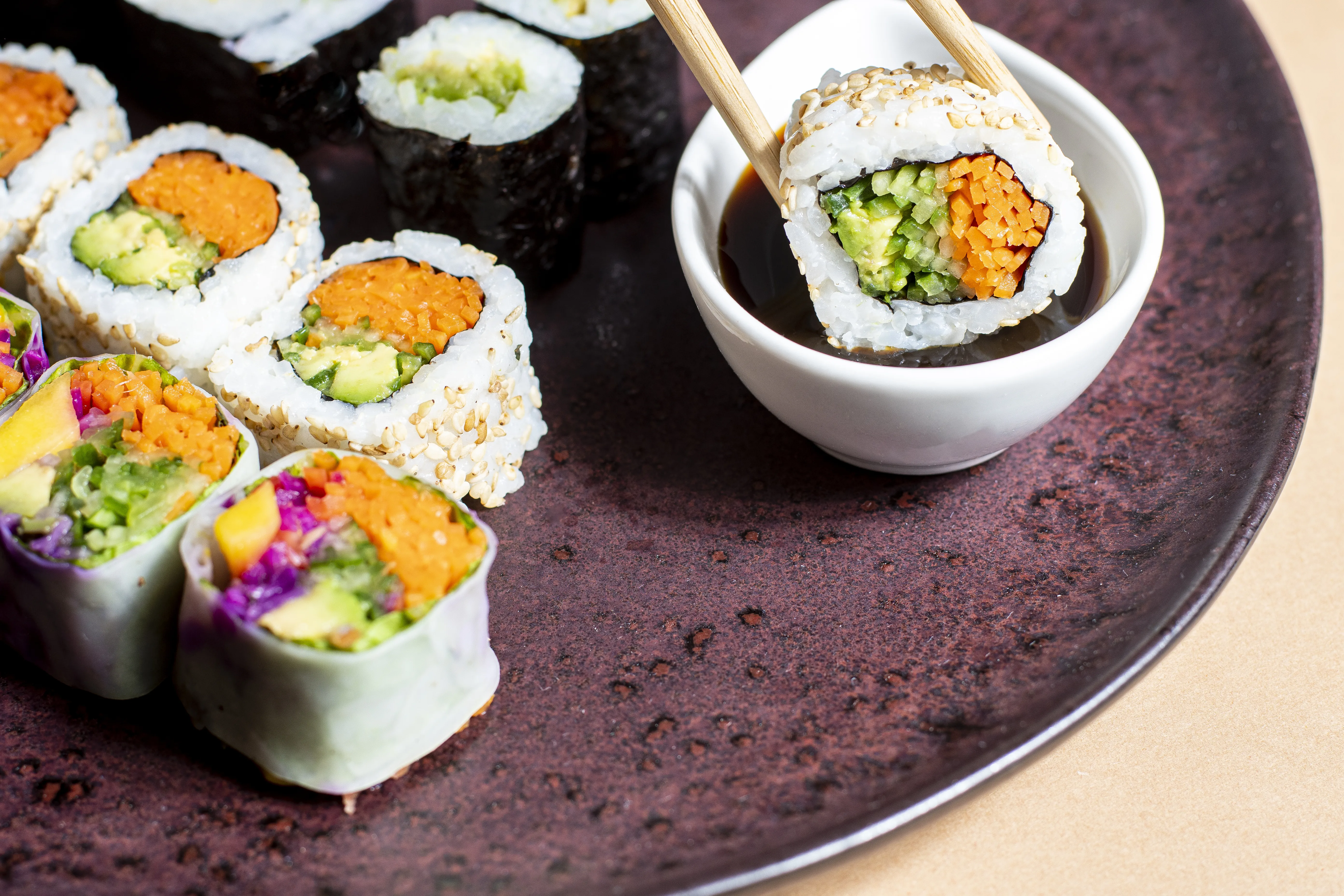
Ripe avocado is the star here, offering a creamy, buttery texture. Pair it with julienned carrot or sprinkle toasted sesame seeds for added crunch.
Ingredients: Sushi rice, Avocado, sesame, carrot
Method: Cook short-grain sushi rice and season it with rice vinegar, sugar, and salt. Place nori on a bamboo mat, spread rice evenly, add sliced ripe avocado and optional cucumber or carrot. Roll gently, to keep the avocado intact and flavorful, seal the edge, slice neatly, and serve with soy sauce.
2. Cucumber & Cream Cheese Roll
Thin cucumber strips bring freshness and crunch, while cream cheese adds smooth richness. This combination is mild, refreshing, and perfect for beginners who enjoy subtle flavors.
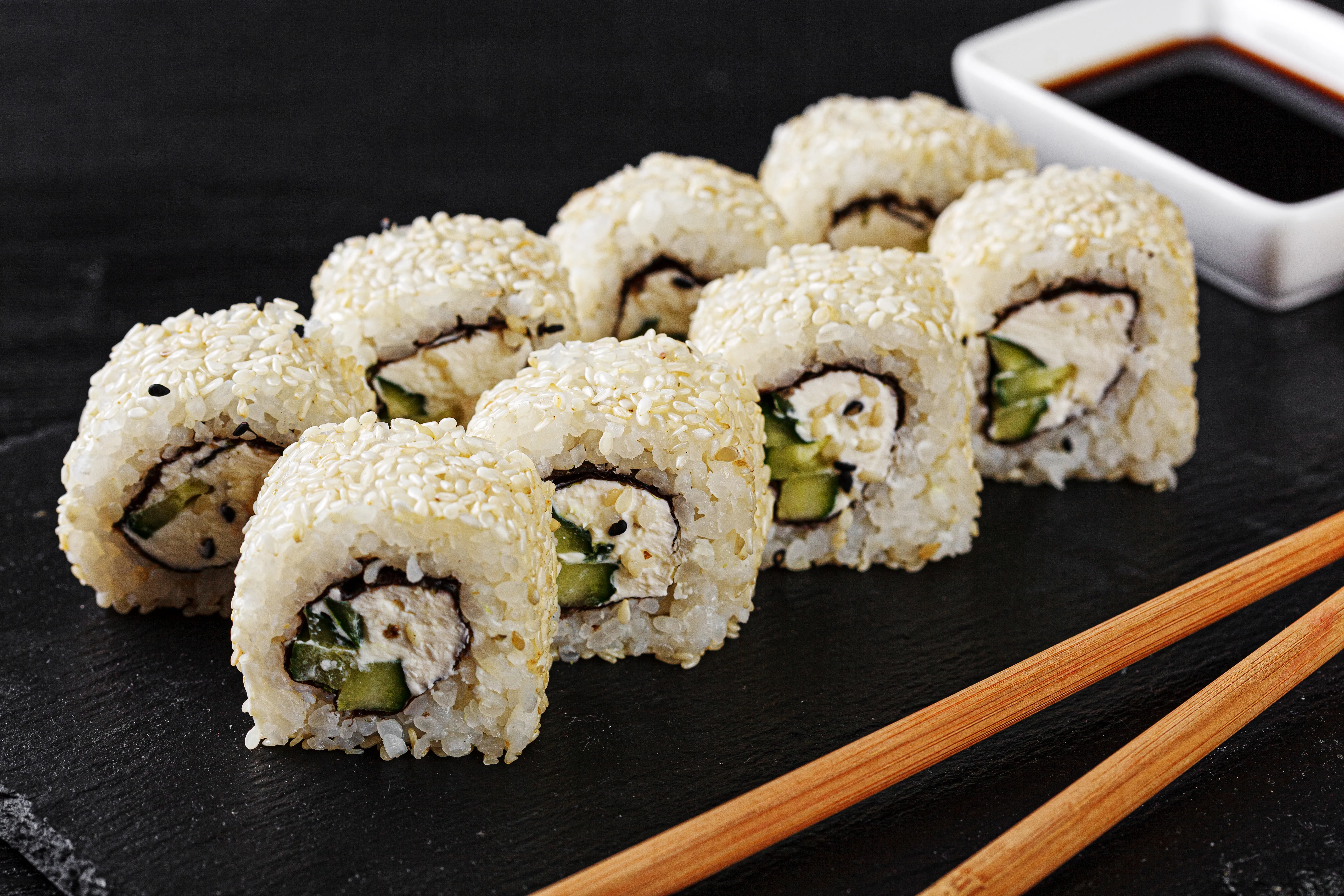
Ingredients: Sushi rice, cucumber, maki sheet, cream cheese
Method: To make a cucumber and cream cheese roll, place a maki (nori) sheet on a bamboo mat and spread an even layer of seasoned sushi rice. Add thin cucumber strips and a line of cream cheese in the center. Roll tightly, seal the edge with water, slice evenly, and serve fresh.
3. Prawn Tempura Roll
Juicy prawns are in tempura batter, giving a crisp. Layer them with cucumber or lettuce, roll with nori and rice, and finish with a drizzle of spicy mayo or teriyaki sauce.
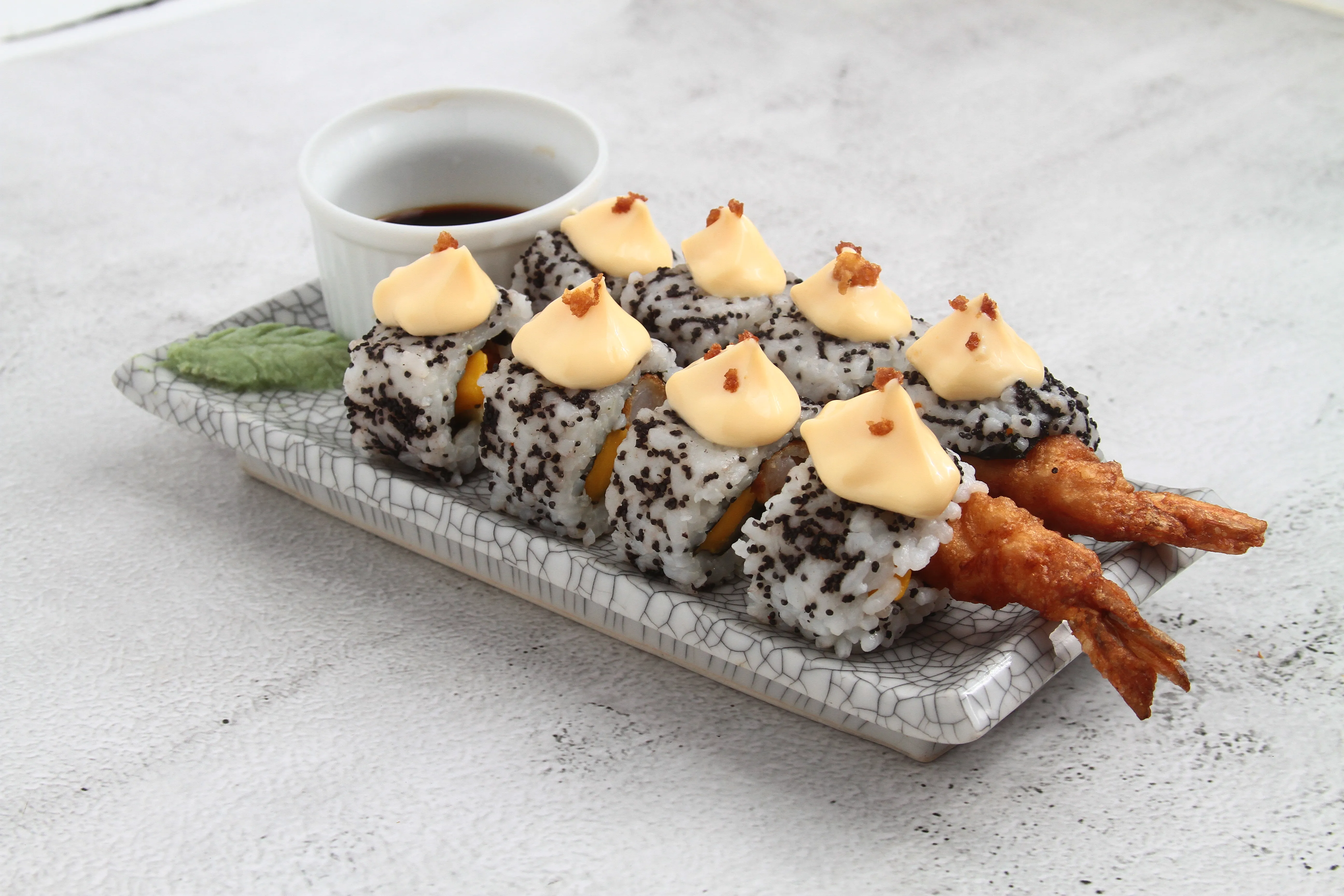
Ingredients: Sushi rice, nori (maki sheets), prawns (cleaned and deveined), tempura batter, oil for frying, cucumber or lettuce, rice vinegar, sugar, salt, soy sauce, and optional spicy mayo.
Method: Prepare and season sushi rice. Dip prawns in tempura batter and deep-fry until golden and crisp. Place a nori sheet on a bamboo mat, spread rice evenly, add prawn tempura and vegetables. Roll tightly, seal with water, slice, and serve with soy sauce or spicy mayo.
4. Salmon Sushi (Classic Non-Veg Favorite)
Fresh, thinly sliced sushi-grade salmon with nori is the essence of this sushi roll cake. Its natural fat delivers a clean, rich taste that defines traditional sushi.
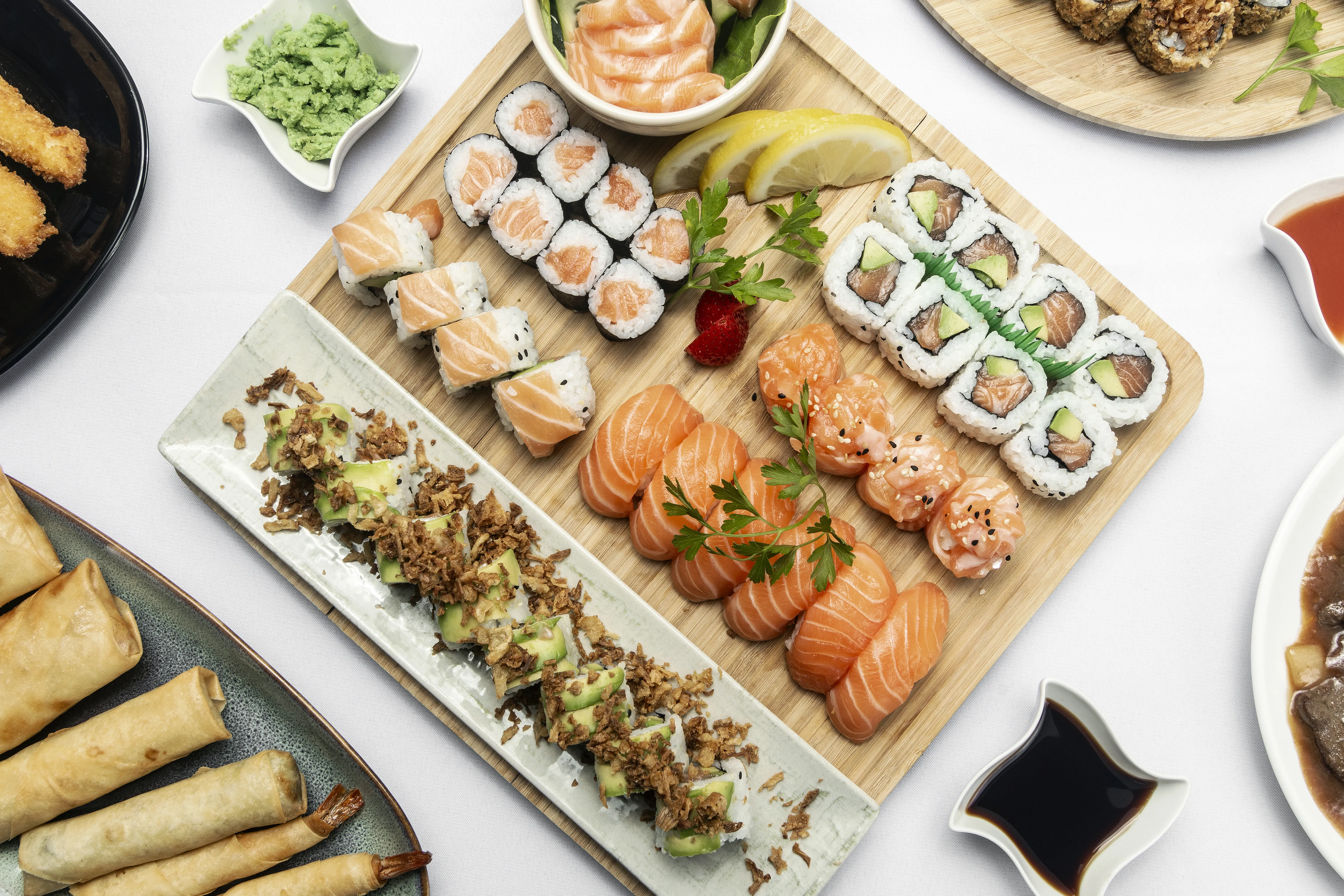
Ingredients: Sushi-grade salmon (fresh and chilled), short-grain sushi rice, rice vinegar, sugar, salt, nori sheets (optional), soy sauce, wasabi, and pickled ginger.
Method: Cook sushi rice and season it with vinegar, sugar, and salt; let it cool to room temperature. Slice salmon thinly with a sharp knife. For nigiri, shape small rice mounds and gently place salmon on top. For rolls, add salmon over rice on nori and roll tightly. Serve with soy sauce, wasabi, and ginger for a classic sushi experience.
Tips:
Vegetarian and plant-based sushi options, featuring avocado, cucumber, tofu, seaweed, and fermented vegetables, offer nutritious alternatives without raw fish.
These combinations showcase how sushi balances creaminess, crunch, freshness, and umami—making every bite both simple and refined.
Be cautious of Mercury levels; some large fish (like bigeye tuna) should be consumed in moderation. Sodium intake from soy sauce and pickled elements can be high in salt. And keep track of added sugars and sauces. Modern rolls with mayo-based sauces can reduce health benefits.
Sushi in the Modern World
Today’s sushi scene blends tradition with innovation. Chefs experiment with local ingredients, sustainable seafood, and global flavors while still respecting foundational techniques.
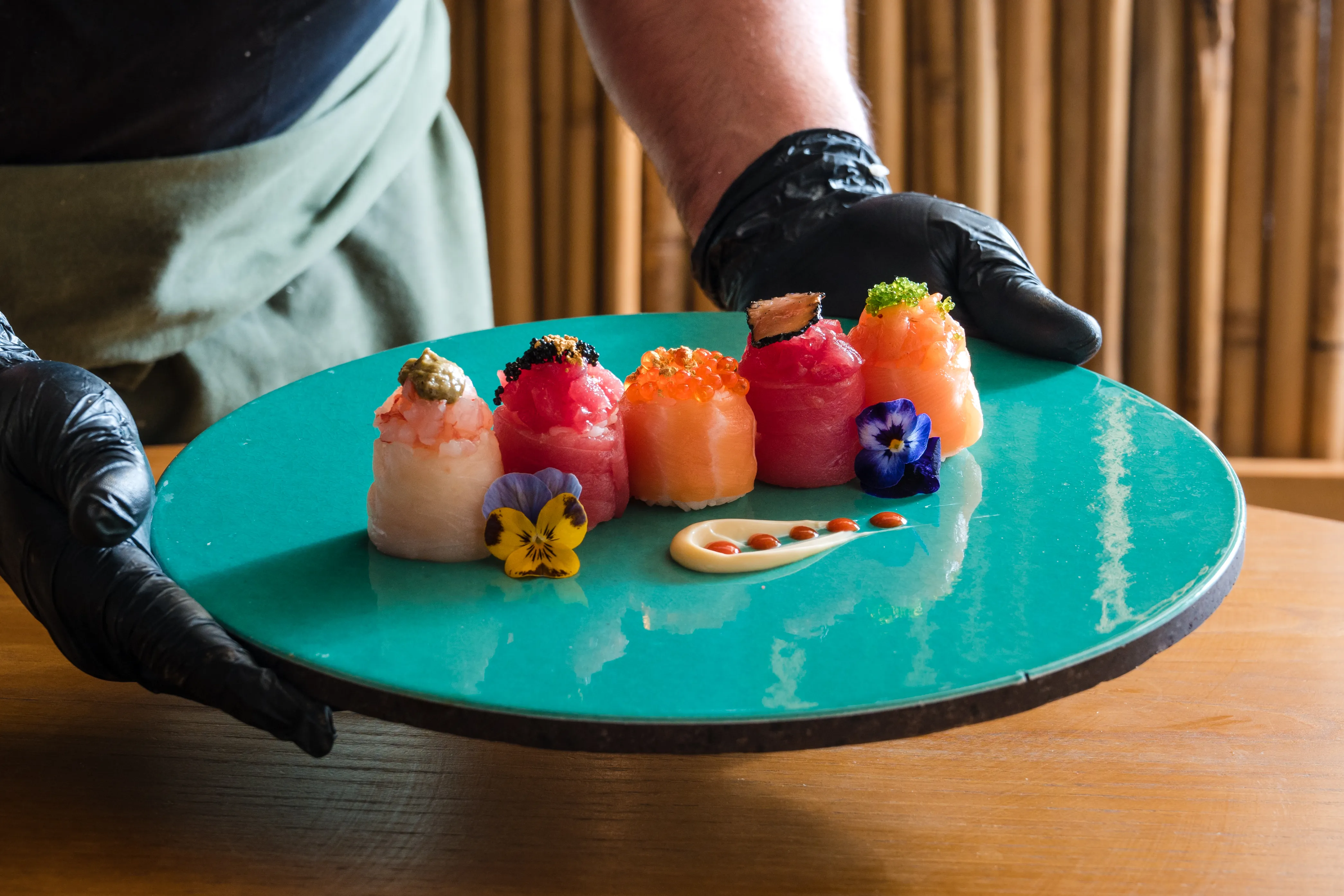
Omakase dining, where chefs curate each course, highlights sushi as a storytelling experience rather than just a meal. At the same time, sushi remains approachable, from convenience-store rolls in Japan to home-made sushi nights worldwide. This dual identity of refinement and accessibility is what keeps sushi timeless.
Conclusion: More Than a Meal
Sushi is not just raw fish on rice; it is history, health, art, and science rolled into one bite. Each piece carries centuries of tradition, the precision of culinary technique, and a philosophy rooted in balance and respect for nature.
Whether enjoyed at a street stall, a high-end counter, or your own kitchen table, sushi remains a powerful reminder that simple ingredients, when treated with care and knowledge, can become something extraordinary.
– Written By P. Manika (Performist Content Writer)
